
Constitutional Civic Inquiries
GRADES 6–8: WE THE PEOPLE, LEVEL 2
Compelling Question: Is everyone's right to vote protected?
Time Required: One class period, plus one summative assessment
Overview
The right to vote appears nowhere in the original text of the Constitution — it is only implied. Everything Americans understand about suffrage today was won through amendment, legislation, and sustained struggle by groups who were excluded. This single-day lesson traces that expansion across African American men, women, Native Americans, and eighteen-year-olds, then asks students to assess how well access to the ballot is protected right now.
What Students Will Do
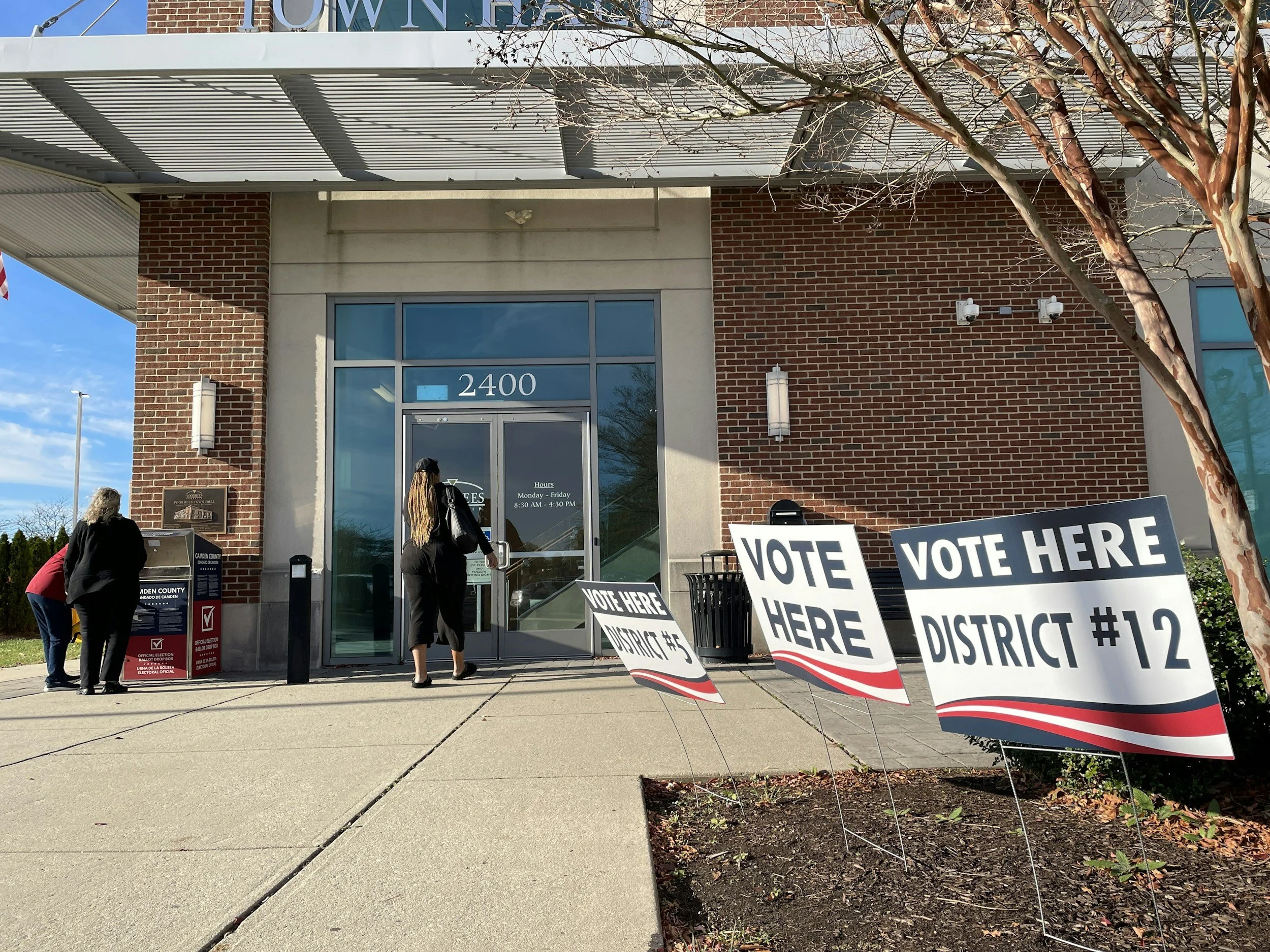
Students begin by mapping everything they associate with voting, comparing their maps with teammates, and casting an opening class vote on the compelling question — a vote they will revisit at the close of the lesson. They then complete a two-part jigsaw: teams become experts on how one specific group secured the right to vote, then regroup so every voting story is represented and each student teaches their section to new teammates. Discussion surfaces the patterns — who gained full rights first, who gained them last, and how those patterns echo today. Students analyze contemporary voting obstacles through a scenario slide deck, then complete the Is Everyone's Right to Vote Protected? evaluation tool and a final class vote, reflecting on whether their own position shifted.
Student Outcomes
By completing this lesson, students will be able to explain how specific constitutional amendments and federal acts expanded suffrage, identify both historical barriers such as poll taxes, literacy tests, and grandfather clauses and the logistical obstacles that persist today, analyze patterns in who gained voting rights and when, and assess the current level of voting access using textual evidence. Students will also build empathy and social awareness by examining the experiences of groups who fought for the ballot.